

What Most People Get Wrong
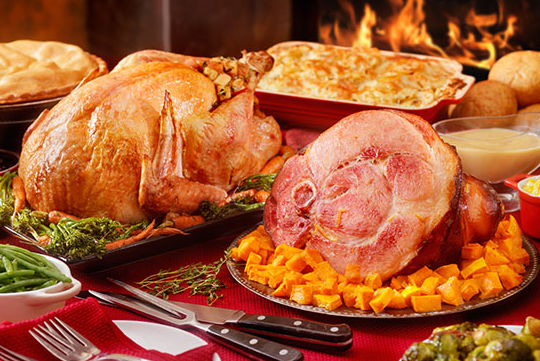
You are standing at the meat counter, phone in hand, texting a family member about whether to grab the fifteen-pound turkey or the spiral-cut ham, and neither of you can quite explain why past holidays felt stressful by the time dinner reached the table. This scene repeats itself in kitchens every year, often because the decision gets made on habit rather than on what the day actually requires. Somebody’s grandmother always made turkey, so turkey it is, regardless of how many people are actually coming or how much oven space exists. The result is a meal built around tradition instead of logistics, and logistics are usually what determine whether the day feels calm or chaotic. That kind of decision, made in a parking lot ten minutes before closing, sets the tone for the entire day.
Another common misstep involves cooking times and temperatures that get guessed rather than checked. A ham that looks perfectly browned on the outside can still be underprepared near the bone, and a turkey pulled too early leaves guests eating something closer to raw poultry than a finished centerpiece. People also tend to underestimate how much time thawing takes, especially for a frozen bird stored in a refrigerator rather than left out on a counter. These small miscalculations compound, turning what should be a two-hour cooking window into a three-hour scramble while side dishes go cold. Guests notice these delays quickly, even if they never mention it out loud.
What Actually Works
The families who handle this decision well tend to start with headcount and appetite rather than sentiment. A gathering of six adults and two picky toddlers calls for a different bird than a table of fourteen extended relatives who all want seconds. Ham often works better for smaller or more casual gatherings because it requires less active attention and reheats without losing much quality. Turkey, on the other hand, tends to suit larger groups where the dry breast meat can be balanced with gravy and where carving becomes part of the shared ritual.
Cost and prep time matter just as much as size, and this is where a side-by-side comparison becomes genuinely useful. Some hosts now check resources like turkeyorham.com before finalizing their order, since a clear breakdown of price per pound, average cooking time, and flavor profile can settle a debate faster than another round of family opinions. Knowing in advance that a ham typically costs more per pound but takes less oven time can shift the decision entirely, especially for hosts working with a single oven and a tight afternoon schedule.
Food safety deserves equal attention once the choice is made, since both meats carry real risks if handled carelessly. Checking internal temperature with a meat thermometer rather than relying on color or timing charts prevents the kind of undercooking that sends people home with more than leftovers. Guidance from CDC health and wellness resources at CDC health and wellness resources outlines safe minimum temperatures and storage windows for poultry and cured meats, and following those numbers removes the guesswork that causes most holiday kitchen mistakes.
See also: Cooking During Work From Home? How a 25L Microwave Makes Life Easier
How to Apply This
Start the planning process by counting confirmed guests and working backward from serving size, figuring roughly three-quarters of a pound of meat per adult for turkey and a bit less for a bone-in ham. Once that number exists, thawing time can be scheduled properly, usually allowing twenty-four hours in the refrigerator for every four to five pounds of turkey. Write the thaw date on a calendar rather than trusting memory, since this single step causes more last-minute panic than any other part of the meal. This one adjustment alone prevents most of the scrambling that ruins otherwise well-planned dinners.
On the day itself, use a thermometer early and often rather than waiting until the estimated cooking time has passed. Rest the meat for at least fifteen minutes before carving, which allows juices to redistribute and makes slicing considerably easier. Side dishes can be timed around whichever main course finishes cooking, since ham generally reheats better than turkey if the schedule slips. Building the timeline this way, rather than around tradition alone, tends to produce a dinner that actually matches the effort put into planning it.
