Why a Random Name Generator Rarely Nails It
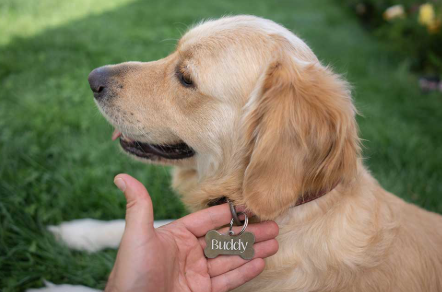
A puppy name generator can spit out hundreds of options in seconds, but most new owners end up ignoring the first page of suggestions entirely. The tools work by pulling from databases of popular dog names, sorting by breed, sound, or theme, and presenting a randomized list. That randomness is exactly why the results often miss the mark. A name generator doesn’t know your dog’s personality yet, and personality is usually what sticks a name in place after the first few weeks.
Breeders and trainers often say the best names reveal themselves once a puppy starts showing quirks, whether it’s a particular bark, a favorite toy, or a habit of tilting its head at strange noises. Generators can still be useful as a starting point for narrowing down syllables or themes, especially for people who freeze up when asked to just pick something. The trick is treating the output as a rough draft rather than a final answer. Most people cycle through three or four generator sessions before a name actually feels right, often mixing suggestions with names pulled from family history, favorite shows, or inside jokes nobody outside the household will ever fully understand.
There’s also a tendency to overthink the process, as if the name carries some permanent weight that will define the dog forever. In practice, puppies grow into names the same way they grow into their paws, awkwardly at first and then with surprising ease. Owners who spend weeks agonizing over spelling variations or trendy options sometimes find that a plain, old-fashioned name ends up suiting the dog better once its temperament settles in. A generator can narrow the field, but the actual decision tends to happen somewhere between a kitchen table conversation and a spontaneous moment when the puppy simply responds.
Matching the Name to How You’ll Actually Use It
Once a name is chosen, it gets used constantly, during walks, at the vet, in training sessions, and in moments when a puppy is about to do something it shouldn’t. That means short, one or two syllable names tend to work better in practice than long or elaborate ones, since dogs respond faster to crisp, consistent sounds. Trainers frequently recommend avoiding names that sound similar to common commands like “sit” or “no,” because puppies can genuinely confuse the two during early lessons. A name like “Beau” might sound charming until it starts blending with “no” during a stay command.
Consistency matters just as much as sound. Every member of the household needs to use the same name and the same tone, especially during the first few months when a puppy is still learning to associate words with outcomes. Rewarding a puppy with soft training treats for dogs right after it responds to its name helps build that association quickly, since food-based reinforcement tends to speed up recall far more than praise alone in the earliest stages of training.
Health and behavior questions tend to surface around the same time naming decisions are being made, since both happen in that chaotic first stretch after bringing a puppy home. Checking PetMD veterinary dog resources for guidance on vaccination schedules, feeding routines, and early socialization can save a lot of guesswork during those first appointments. Owners who line up training and veterinary basics early on usually find the naming process easier too, since a calmer household tends to produce clearer thinking about something as small as a name.
See also: How to Improve Business Decision Making
Timing also plays a bigger role than most new owners expect. Introducing a name too casually in the first week, without pairing it consistently with rewards or attention, can slow down how quickly a puppy learns to respond. Many trainers suggest using the name only in positive contexts at first, saving corrections for separate cues so the puppy doesn’t start associating its own name with trouble. This small adjustment often shortens the learning curve considerably, especially in households with children who may not realize how much tone affects a young dog’s response.
Names also tend to evolve naturally over the puppy’s first year, picking up nicknames or shortened versions that stick harder than the original choice. A dog named “Theodore” might answer just as reliably to “Theo” within a month, and that flexibility is normal rather than a sign of indecision. What starts as a generator suggestion or a family debate often settles into something simpler once the puppy itself seems to prefer it, which is usually the clearest signal that a name has found its proper fit.